
Empowering Learners: Helping Children Understand Themselves
Empowering Learners Helping Children Understand Themselves
Some of the most important learning in a classroom has nothing to do with curriculum objectives or outcomes.
Some of the most important learning in a classroom has nothing to do with curriculum objectives or outcomes.
It happens when a child begins to notice their own inner world – how they feel, what helps them focus, what overwhelms them, and what they need in order to learn. For some children, especially those who are neurodivergent, this understanding doesn’t come easily or automatically. It has to be taught, modelled, and practised.
When we help children understand themselves, we aren’t managing behaviour or lowering expectations. We’re giving them language, strategies, and confidence to navigate learning and relationships in ways that work for them.
So how do we support children to understand who they are, so they can grow into capable, reflective learners? Here are some strategies that have worked for me over the years.
Understand the Why Behind Behaviour
Behaviour is rarely random, it’s usually a message. When we pause and ask why, we help children make sense of their internal world.
It can help to consider questions such as:
- Are they tired, hungry, overstimulated, or anxious?
- Do they fully understand what’s being asked of them?
- Are they seeking reassurance, connection, or control?
- Is something outside school weighing on them?
Approaching behaviour with curiosity helps children learn to recognise their own needs.
Over time, the child begins to understand more about how they work and how to get the best from themselves, understanding things like:
- ‘When I’m overwhelmed, I can’t focus on my work.’
- ‘I get silly when I don’t know what to do.’
This growing self-awareness is powerful, particularly for neurodivergent learners, who may benefit from clear, visual ways of understanding what’s happening and what might help.
Co-Regulate and Build Emotional Literacy
Children aren’t born knowing how to manage frustration, sadness, or worry; these are skills they learn through experience and support. In the early years especially, regulation is something children borrow from the adults around them before they can do it independently.
Rather than reacting to big emotions, we can coach children through them.
That might look like offering practical supports such as:
- calm corners or quiet spaces
- sensory tools to help settle bodies and minds
- worry boxes for thoughts that feel too big to carry
- movement breaks to release built-up energy
- visual prompts showing strategies to use when emotions feel overwhelming
These tools don’t remove expectations – they give children ways to meet them.
Modelling is just as important. When we narrate our own regulation, we make the invisible visible:
“I’m feeling stressed, so I’m going to pause and take a deep breath.”
In doing this, we’re not just supporting the moment, we’re giving children language, strategies, and permission to manage emotions in healthy ways. Explicitly teaching problem-solving and conflict resolution as moments arise makes learning meaningful. Not next week. Not in theory. But right there — when it matters.
Restore – Don’t React
When mistakes happen (and they will), we have a choice. We can react, or we can restore.
Restorative practice shifts the focus from blame to growth:
- Talk privately, never publicly
- Listen first
- Ask questions like:
- “What happened?”
- “Who was affected?”
- “How can we repair this?”
- “What happened?”
And then, allow them to move forward without the weight of shame.
By using this restorative approach, children learn:
- Mistakes can be repaired
- Relationships can recover
- They are not defined by one moment
This builds responsibility without damaging self-esteem.
Emotions are messy and can be scary for children (and adults sometimes!) Muddling through those wild and crazy feelings with someone who knows what they’re doing helps them learn how to steer the ship with greater ease to get through that storm.
I’d love to hear stories and strategies that have worked for you. Share them with me here.

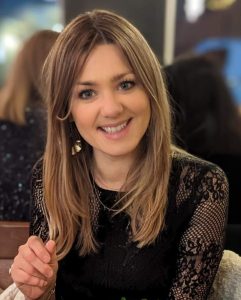
Cerys is our Primary Education Lead. She has over 14 years of experience of teaching and leading in primary schools, and has a particular interest in supporting learners with diverse educational needs. Cerys currently works for an apprenticeship company as director of neurodiversity, and is a Rapid Transformational Therapist. She lives with husband and toddler son in beautiful Herefordshire, UK.