
How to Develop Your Teacher Persona
How I Developed My Teacher Persona – and why I encourage new teachers to do the same
When I was teaching, I came to understand that a teacher persona is essentially the role we choose to play in our classrooms. Just like in the theatre, the way we present ourselves physically communicates meaning long before we speak. Over time, I learned how helpful it can be to consciously develop a physical identity that signals firmness, fairness and confidence to students from the outset.
I know that many new teachers don’t yet feel confident—and that’s completely normal. Creating a clear teacher persona can help bridge that gap. It’s not about being fake; it’s about giving yourself something solid to stand on while your confidence catches up with your experience.
As a former teacher and a drama specialist, I now encourage new teachers to think carefully about how they show up physically in the classroom. One of the biggest surprises for many early-career teachers is this: authority doesn’t come primarily from the words you use. It comes from how you occupy the space.
Before you give an instruction, correct behaviour or praise a student, your class has already taken in your posture, movement, facial expression and energy. That is your teacher persona. It isn’t about pretending to be someone else—it’s about learning how to use your body to communicate calm, confidence and fairness.
For some people, this comes naturally. For most people, this is something that requires practise.
The mindset I always come back to
As a new teacher in the UK, I was always led to believe that if you want to stamp authority on your classroom, you ‘don’t smile until Christmas!’. Essentially this belief carries the idea that you need to mask up to remain serious and strong in the eyes of your students for at least the first term of teaching them. This is an outdated belief. Connection and integrity carries far more weight.
I now hear new teachers expressing worry about being “too strict” or “not strict enough.” I’ve learned that physical authority lives in the middle ground. It quietly communicates:
- I’m calm
- I know what I expect
- I’m not rattled by challenges
You don’t need to be loud, imposing or intimidating. In my experience, quiet confidence is far more effective—and far more sustainable!
1. Posture: how you stand sets the tone
I’ve seen time and again how posture communicates authority before a single word is spoken.
I encourage teachers to aim for:
- An upright stance
- Relaxed shoulders and an open chest
- Feet planted firmly
Leaning, slouching or constantly shifting weight can unintentionally signal uncertainty. Stillness, on the other hand, reads as confidence. When you look grounded, students tend to feel grounded too.
Coaching reflection:
Where do you usually stand when you give instructions? What message does your posture send in that moment?
2. Movement: be deliberate, not restless
In the classroom, movement works best when it’s intentional rather than habitual.
Effective movement looks like:
- Walking slowly and purposefully
- Pausing before addressing behaviour
- Positioning yourself near off-task students without saying a word
Pacing, hovering nervously or retreating to the desk or whiteboard can suggest uncertainty, even when your words are firm.
Coaching reflection:
Do you move because it supports learning—or because you’re unsure where to stand?
3. Facial expression: calm beats stern
I often notice new teachers relying heavily on smiling to build rapport, or frowning to appear serious. Neither is necessary all the time.
What I aim for is:
- Neutral expressions when giving instructions
- Calm, controlled expressions when correcting behaviour
- Warmth when praising
A calm face signals emotional control, and emotional control builds trust.
Coaching reflection:
What does your face look like when you’re waiting for silence? Is it helping or undermining your message?
4. Eye contact: your quiet authority tool
Eye contact is one of the most powerful tools teachers have—and it doesn’t interrupt learning.
Used well, it can:
- Reinforce expectations
- Acknowledge low-level disruption
- Show students you’ve noticed
I encourage teachers to avoid aggressive staring or avoiding eye contact altogether. A steady, calm gaze paired with silence is often enough.
Coaching reflection:
How often do you rely on eye contact instead of verbal reminders?
5. Gestures: less is more
In my experience, confident teachers use fewer, clearer gestures. I am however personally guilty of using surplus and exaggerated gestures as a former drama teacher! It is something that comes naturally to me and seems to work in helping to engage others. Generally though, I would suggest:
- Open palms rather than pointing
- Small, deliberate movements
- Still hands when giving consequences
Fidgeting or animated gestures can make you appear nervous—even when your language is firm.
Coaching reflection:
What are your hands doing when you give instructions or address behaviour?
6. Make sure your body matches your words
One of the most important lessons I learned is this: if your words are firm but your body looks apologetic, students will believe your body. We need to remain congruent for our students! It is especially important when we are considering neurodivergence in our classrooms. More on this in future posts…
When setting expectations or correcting behaviour, it helps to:
- Stand still
- Slow your speech
- Lower your voice slightly
Final reflection: practising your presence
Your teacher persona isn’t fixed. It develops through awareness, rehearsal and reflection—just like any other skill. Small physical adjustments can make a big difference to how students respond.
I often encourage teachers to ask themselves:
- What do students see before I speak?
- Where does my body communicate confidence—and where does it leak uncertainty?
You don’t need to be intimidating to be authoritative. A calm, consistent physical presence helps students feel safe, contained and ready to learn—and that’s where real authority begins.
If you would like to focus on and practise developing your own teacher persona, take a look at the resource ‘Checklist; Self-coaching for teacher persona’, you can download it here (Word doc file).
Let me know if you have any questions about any of this.
Warmly,
Sara

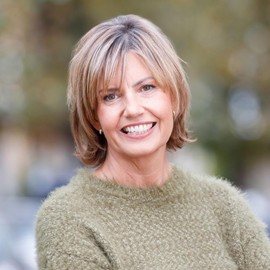
Sara is the Lead Coach at Metis. She is an experienced Leadership and Performance Coach, currently working with business leaders and educators. Sara taught and held leadership roles as a Drama specialist in schools in both the UK and Asia for over 25 years. She is passionate about combining her knowledge of drama with that of coaching as a methodology to promote wellbeing and confidence in the leaders she coaches. She lives in lovely Kingston, UK with her husband and 2 rapidly growing up sons.